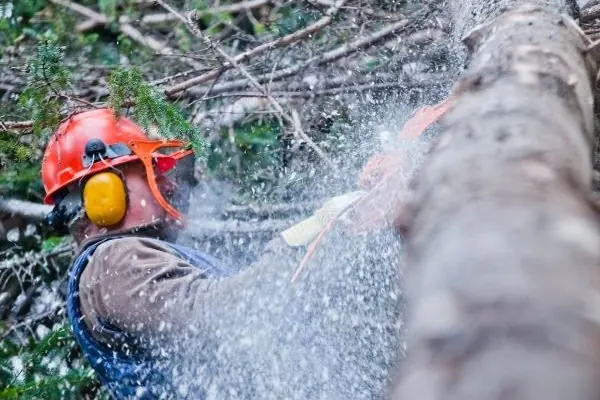
Tree work in Singleton
Singleton is a coastal suburb at the southern end of the City of Rockingham, set among dunes with pockets of native vegetation between the streets and along the coast. Gardens here are a mix of planted species and remnant natives such as tuarts, peppermints, Rottnest Island pines, banksias and wattles.
We arrange tree lopping, tree removal, stump grinding, stump removal, palm tree removal and bamboo removal for Singleton properties, with written on-site quotes from independent local contractors.
Native trees and the rules
Because Singleton has more remnant native vegetation than many suburbs, the rules can matter more. The City of Rockingham has said its planning scheme does not require approval to remove trees on standard residential lots, but native trees on rural, special rural and special residential zoned land need City approval. If you are not sure how your lot is zoned, check with the City before removing native trees.
Trees on reserves and public land are managed by the City or the relevant agency, so contact them before anything is cut there.
Dead wood and fire
Coastal wattles grow quickly and often die young, and dead wattles, along with dead branches in older trees, add fuel close to houses. Common work in Singleton includes removing dead trees, deadwooding larger trees and clearing branches back from roofs and gutters. For specific bushfire requirements, check the City's current fire break and bushfire guidance.
Wind and sand
Like other coastal suburbs, Singleton blocks are exposed to salt wind and built on loose sand. Trees develop lopsided canopies and shallow roots. Balancing the canopy with careful pruning makes them more stable, and the coastal trees guide explains how local species respond.
Getting a quote
Call (08) 9515 3848 or send the form with photos. The cost guide has 2026 planning bands.
Neighbours and boundaries
Many Singleton blocks share fences with several neighbours, and trees near boundaries often hang over more than one yard. Talk to the neighbours before booking work on a boundary tree; it saves disputes, and if they want their side done too, a single visit is usually more efficient for everyone.
Coastal exposure
Homes closest to the beach take the full force of the sea breeze and winter fronts. Trees there tend to be shorter and more wind-shaped, with more deadwood on the exposed side. Further back from the coast, among the dunes and native vegetation, trees can be taller and more sheltered, but they still grow in loose sand with shallow roots. Either way, keeping heavy limbs off the roof and dead wood out of the canopy is the most common work we arrange here.
What to send with your Singleton enquiry
A photo of the whole tree, a close photo of the base of the trunk, and one of the route the crew would take from the street. Add the street name, the rough height of the tree, and anything below it that needs protecting, such as a roof, pool, shed or garden bed. With that, the contractor can plan the visit properly and the written quote is usually quicker to arrive.